Delhi Pollution Is Hurting More Than You Think. Here’s Proof!
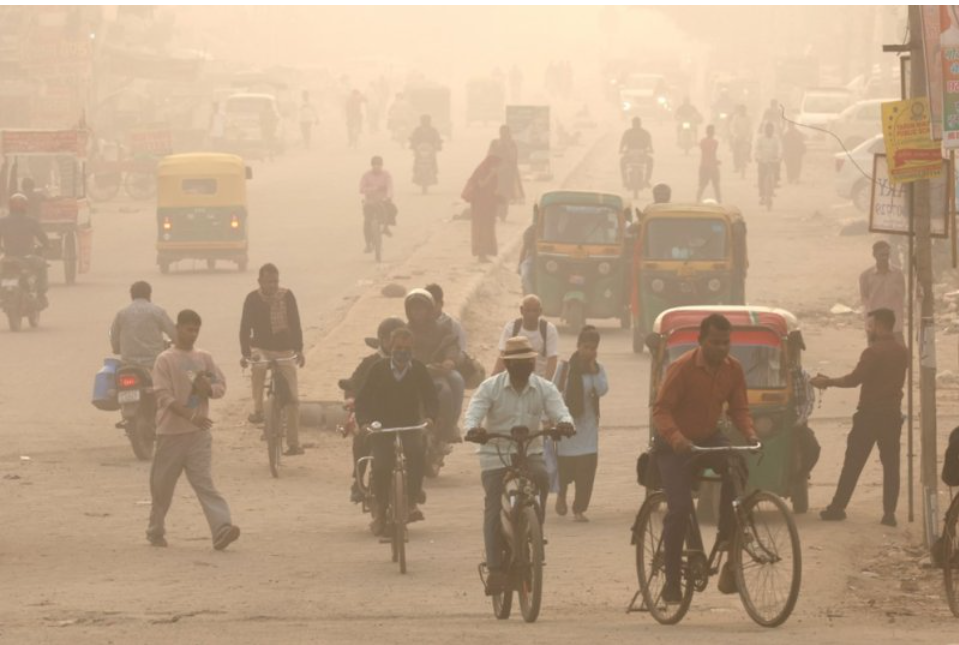
Delhi wakes up every morning under a grey blanket that no one asked for. The air looks heavy, smells metallic, and feels hostile. We’ve normalized masks, air purifiers, and the daily AQI check like it’s weather. But here’s the uncomfortable truth: Delhi Pollution isn’t just ruining visibility—it’s quietly sabotaging health, productivity, and the future of an entire generation.
And no, this isn’t alarmism. It’s data-backed reality.
.
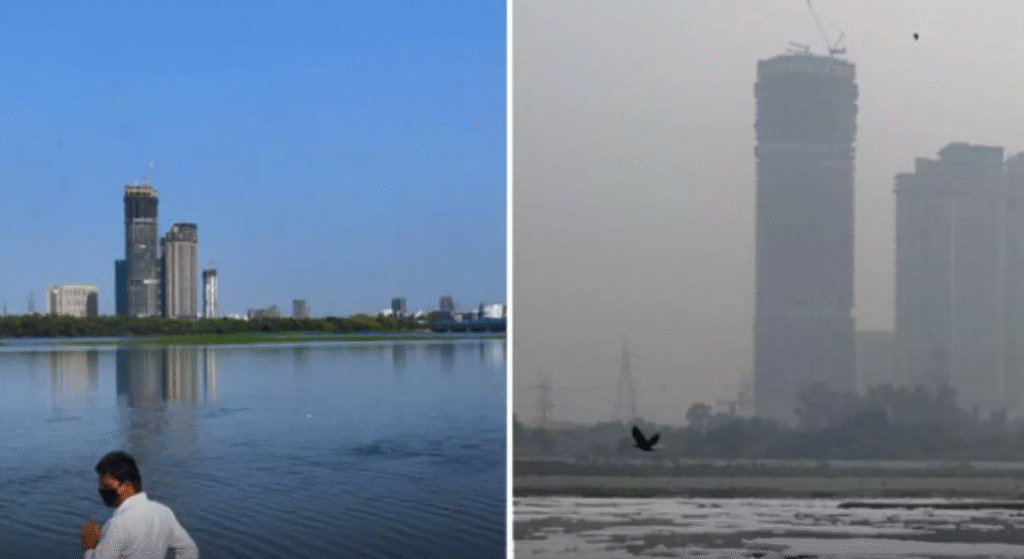
Let’s kill the biggest myth first. Delhi’s air problem isn’t a winter-only villain.
Yes, stubble burning worsens it. Yes, weather patterns trap pollutants. But Delhi Pollution is a year-round structural crisis, driven by vehicle emissions, construction dust, industrial output, and unchecked urban expansion.
According to multiple health studies, Delhi consistently ranks among the world’s most polluted capital cities. PM2.5 levels regularly exceed safe limits by 5–10 times. These particles are small enough to enter your bloodstream. Once they do, the damage isn’t cosmetic—it’s systemic.
The Real Question We Need to Ask
The real issue isn’t whether Delhi Pollution is dangerous.
It’s this: How much damage are we willing to accept as “normal”?
Because every year we delay systemic change, the cost compounds—in health, money, and human potential.
Delhi doesn’t need sympathy. It needs accountability, long-term policy execution, and collective pressure that refuses to settle for cosmetic fixes.
Clean air isn’t a luxury. It’s infrastructure.
And the proof is already in our lungs.
Delhi didn’t become a toxic capital overnight. It happened gradually—one ignored warning, one delayed policy, one “chalta hai” mindset at a time. Today, Delhi Pollution isn’t just an environmental issue; it’s a public health emergency unfolding in slow motion.
Every breath carries a cost. Every year of inaction shortens lives, weakens futures, and normalizes damage we should never accept. Masks and air purifiers may help us survive, but they won’t save the city. Only accountability, long-term solutions, and sustained pressure will.
If Delhi continues to treat clean air as optional, the price won’t be paid in statistics—it will be paid in years lost, children compromised, and a capital gasping for relief.
A city that can lead a nation should not be struggling to breathe.
The question is no longer how bad is Delhi pollution?
It’s how much longer are we willing to live with it?